Safe-Wave – Jetty Ticketing App & Management
Designing a seamless ticketing experience for jetty commuters
UI/UX Case Study • SaaS • Web App • 2023/24
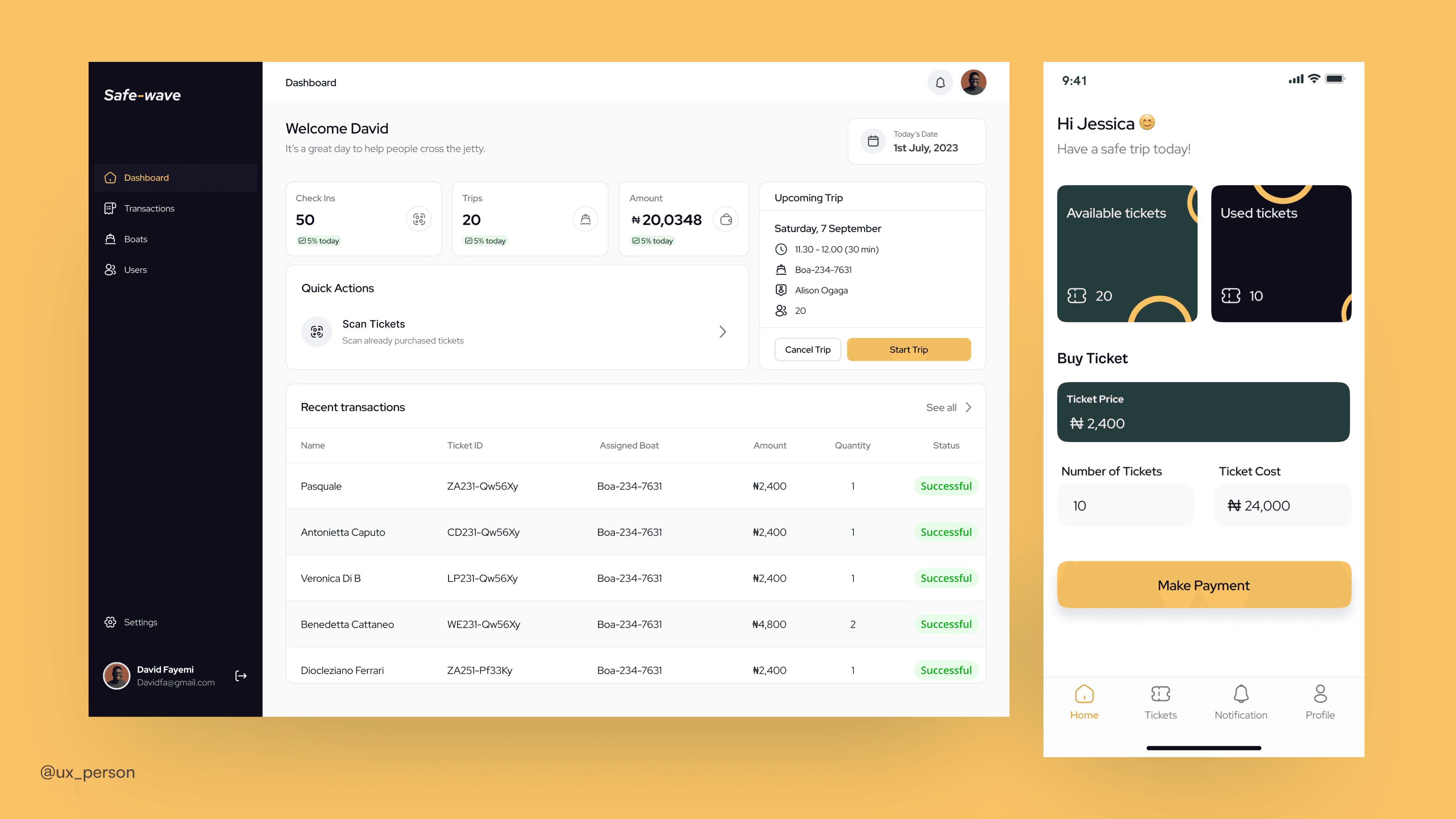
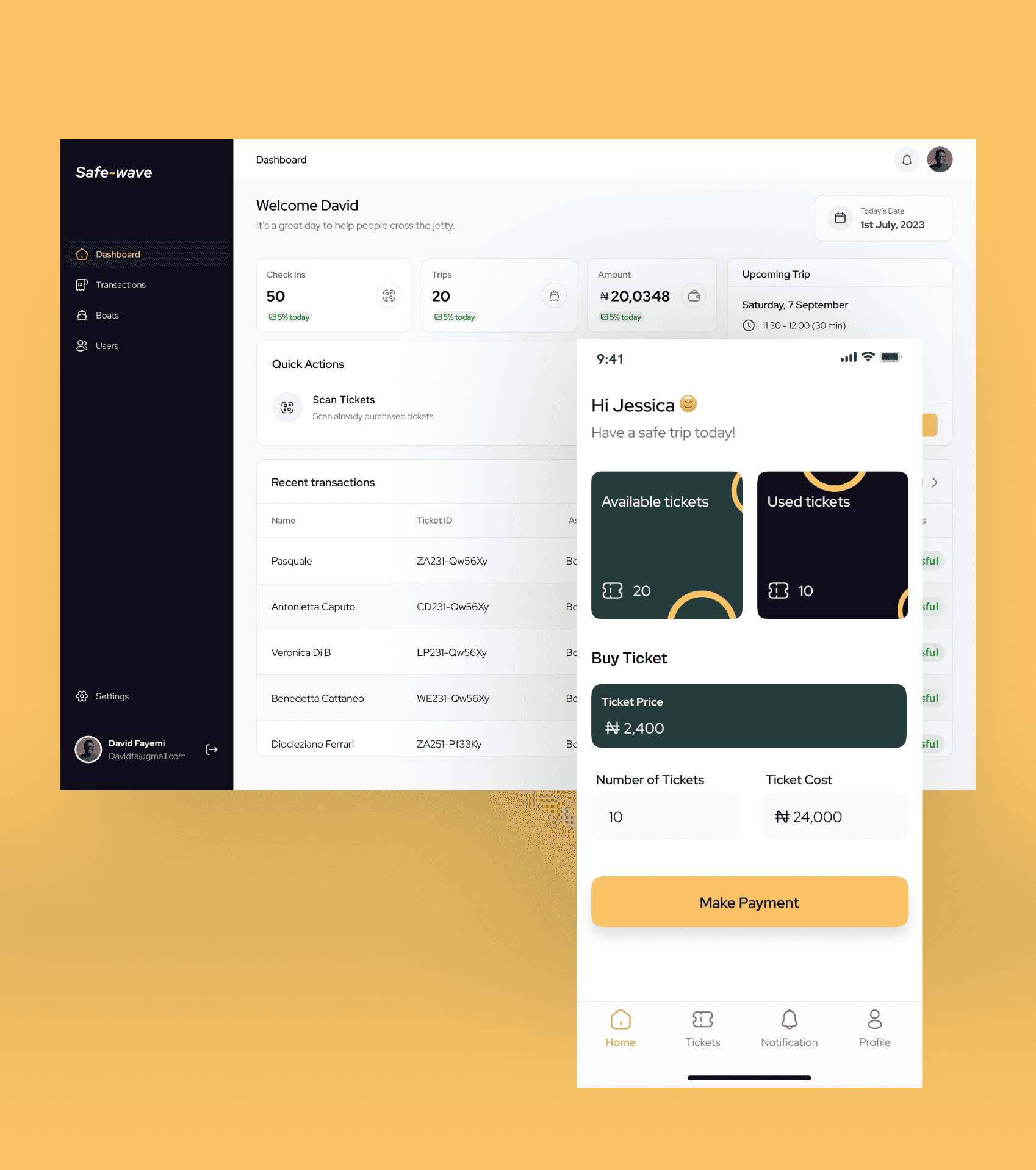
Overview / TL;DR
Safe-Wave is a B2C jetty ticketing platform that allows local users to book rides instantly or schedule them in advance.
The goal was to digitize a completely manual ticketing system while preserving user familiarity and maintaining the jetty's established operational model.
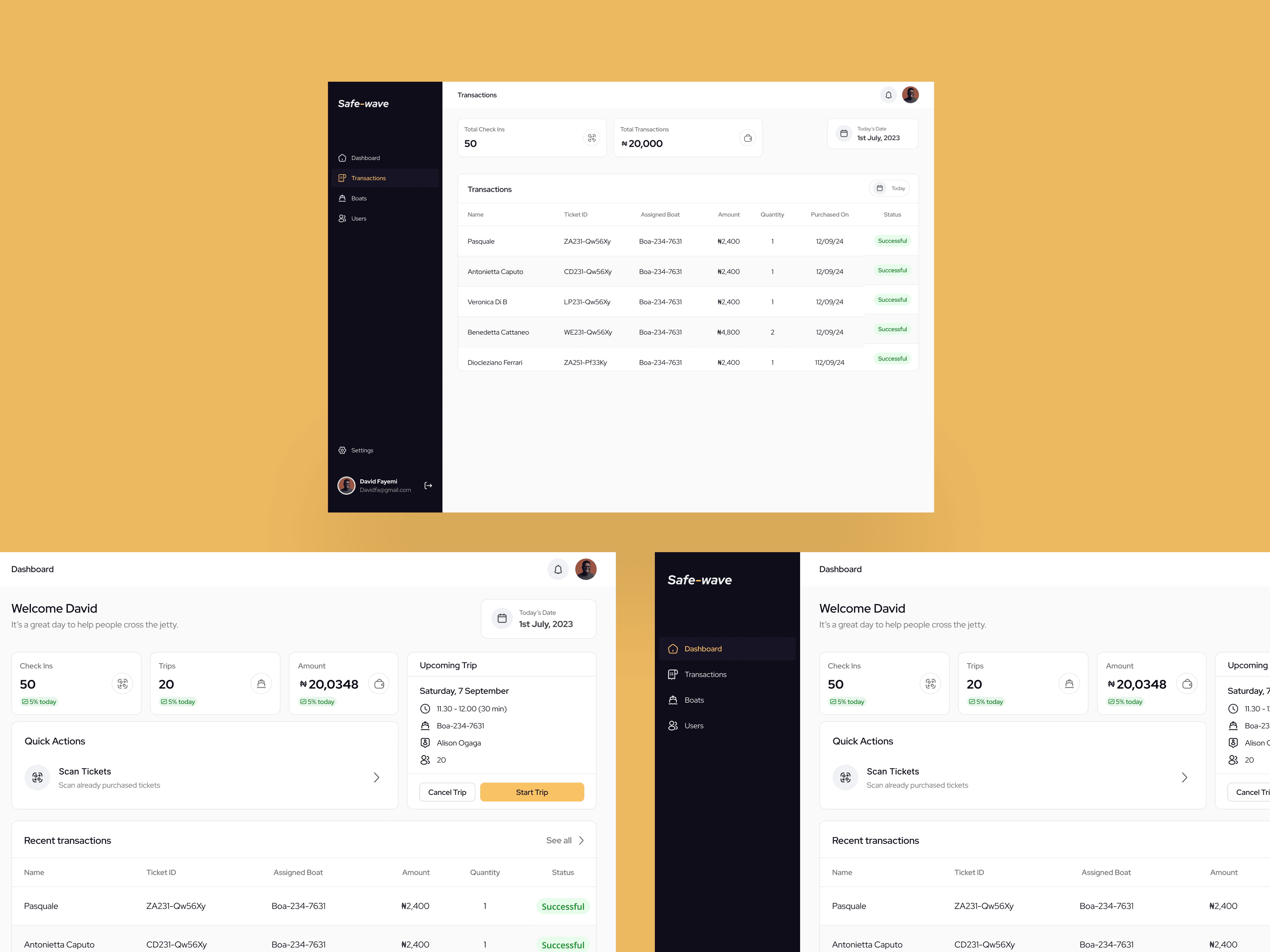
I focused on replicating the existing user flow while making the process faster, safer, and more intuitive, while also digitalizing the management workflow for jetty operators.
Role & Responsibilities
UX Strategy & Information Architecture
Wireframing & Prototyping (Figma)
Stakeholder Workshops
UI Design
The Problem
Jetty rides function as crucial commuter links for local workers. However, the current process is fully manual and time-consuming:
Passengers must arrive early to buy a ticket physically
They wait on-site to be assigned to a boat
Departure is delayed until the boat is full
This leads to long queues, wasted time, and frequent frustration.
Objective: Reduce wait times without disrupting the jetty’s one-way, single-trip flow or losing user familiarity with the system.
Success Criteria
To ensure local adoption and user satisfaction, I defined two core metrics:
Ease of Use – A simple, intuitive experience requiring minimal onboarding.
Mental Model Retention – The digital experience should feel familiar and mirror the manual steps users already know.
UX Strategy
My UX strategy centered on respecting the manual flow while enhancing it in three major areas:
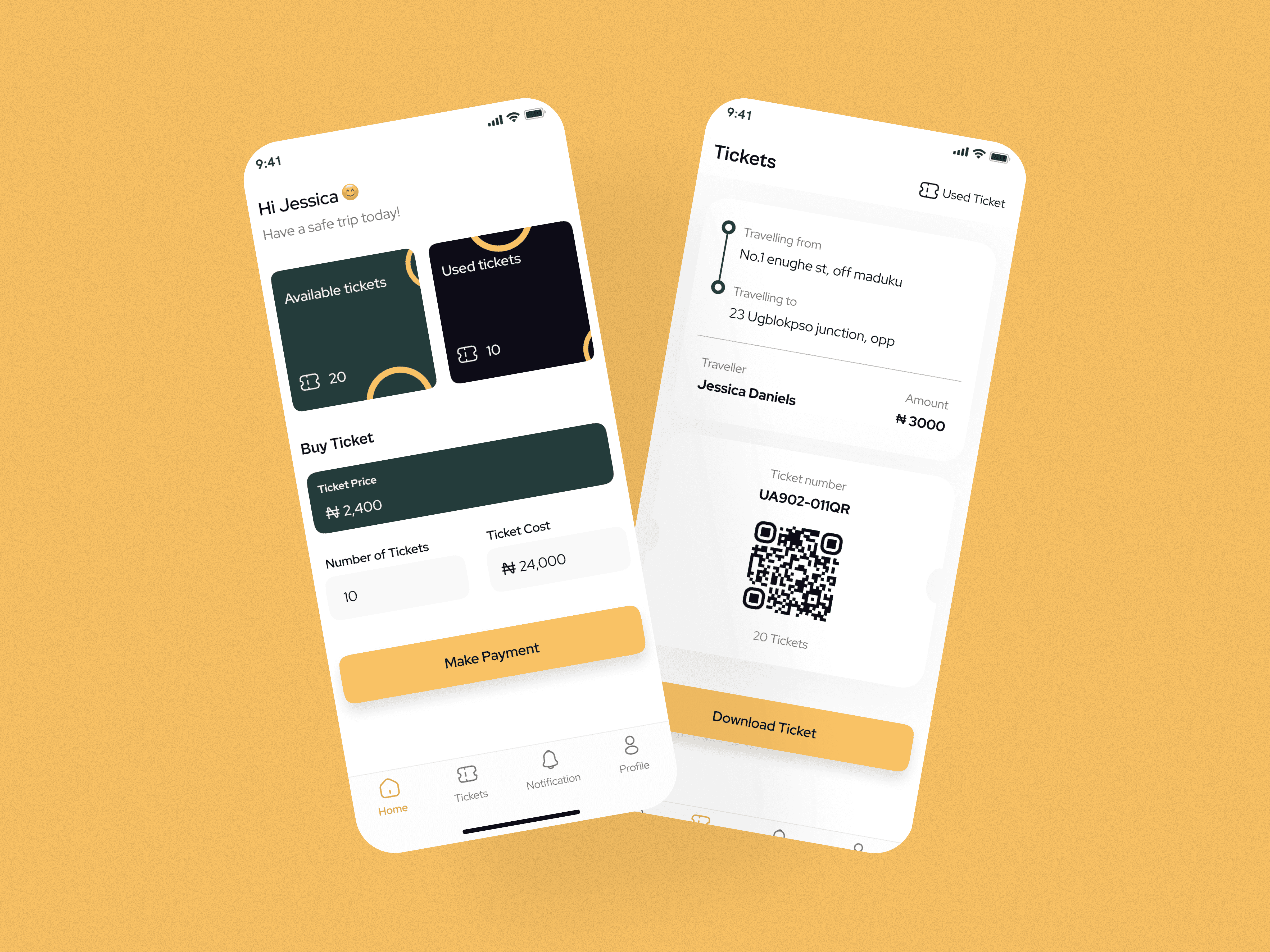
Time Optimization - Users can purchase multiple tickets in-app and scan them to board, avoiding repetitive ticket lines.
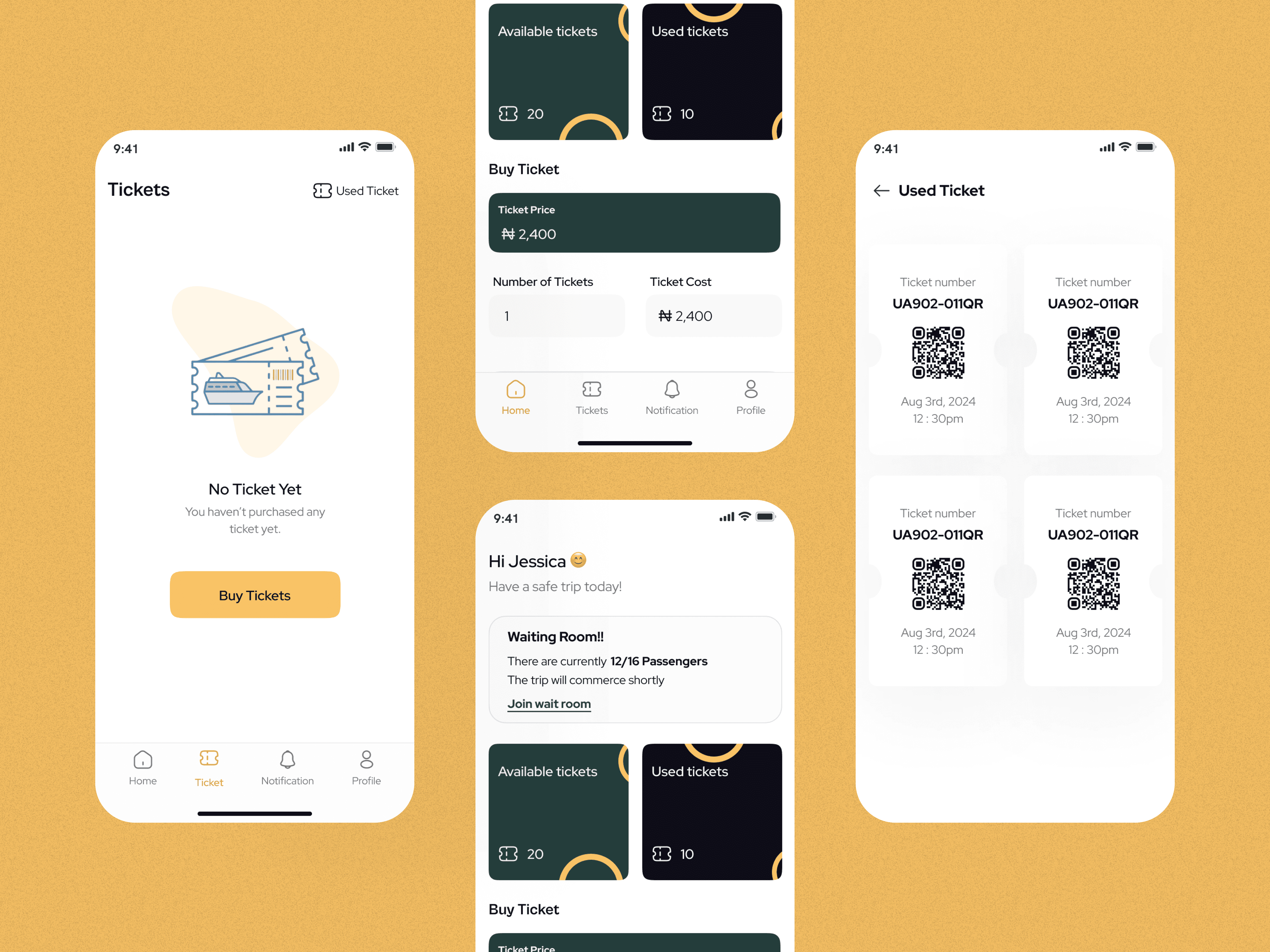
Real-Time Queue Tracking - Introduced a digital waiting room that reflects how many more passengers are needed for the boat to depart, aligning with the offline system’s boarding rhythm.
Emergency Preparedness - An in-app emergency button allows users to quickly report boat issues or safety concerns. Alerts go directly to the operators, triggering a support response.
These features preserved the structure of the original system while improving efficiency, safety, and transparency.
Process: Research to Prototype
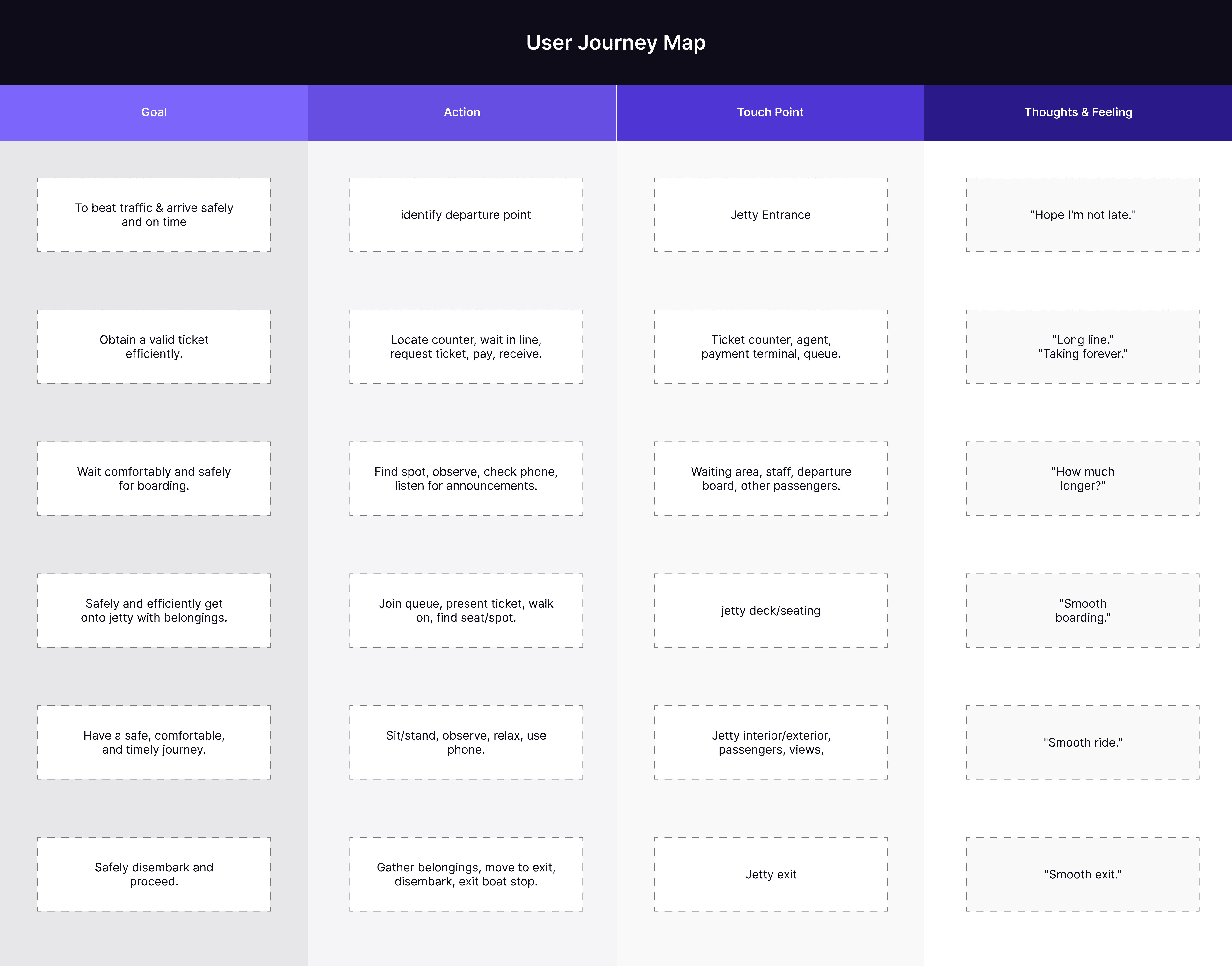
Contextual Research & Journey Mapping
I studied the physical ticketing process firsthand:
Arrive early at jetty
Queue to buy a ticket
Wait for full capacity
Ticket gets torn
Board and depart
I identified the friction points (queuing, uncertainty, lack of visibility) and focused my design strategy on solving those without removing familiar steps.
Wireframing & Testing
Built low-fidelity wireframes to define structure and flow. Tested flows with early users and stakeholders to validate clarity.
Key Insight: Users immediately recognized and understood the digital flow—it felt “just like the normal process but faster.”
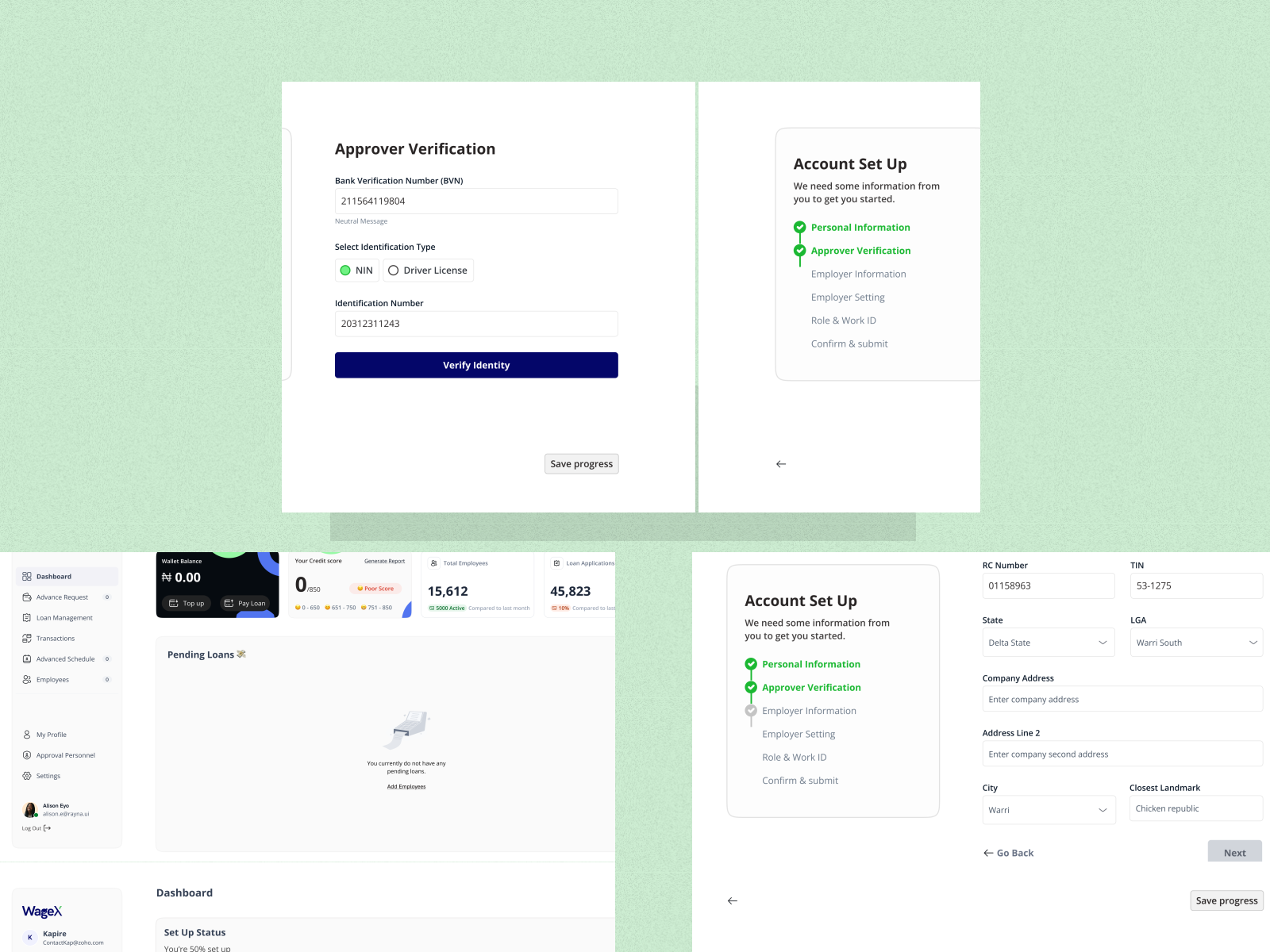
High-Fidelity Prototypes
Finalized screens in Figma and developed a clickable prototype simulating full booking, queuing, and emergency interactions.
Outcome & Impact
The app is still in development, so live performance data isn’t available yet. However:
Stakeholder Testing: 9/10 satisfaction with flow clarity
User Testing: Participants reported that it felt like “a modern version of what we already do”—which validated our success criteria
Reflection & Lessons Learned
This project taught me how to digitize a culturally ingrained, offline process without alienating the users it serves. By focusing on familiarity first, then enhancement second, I was able to create a solution that users could adopt without friction.
TIXLY
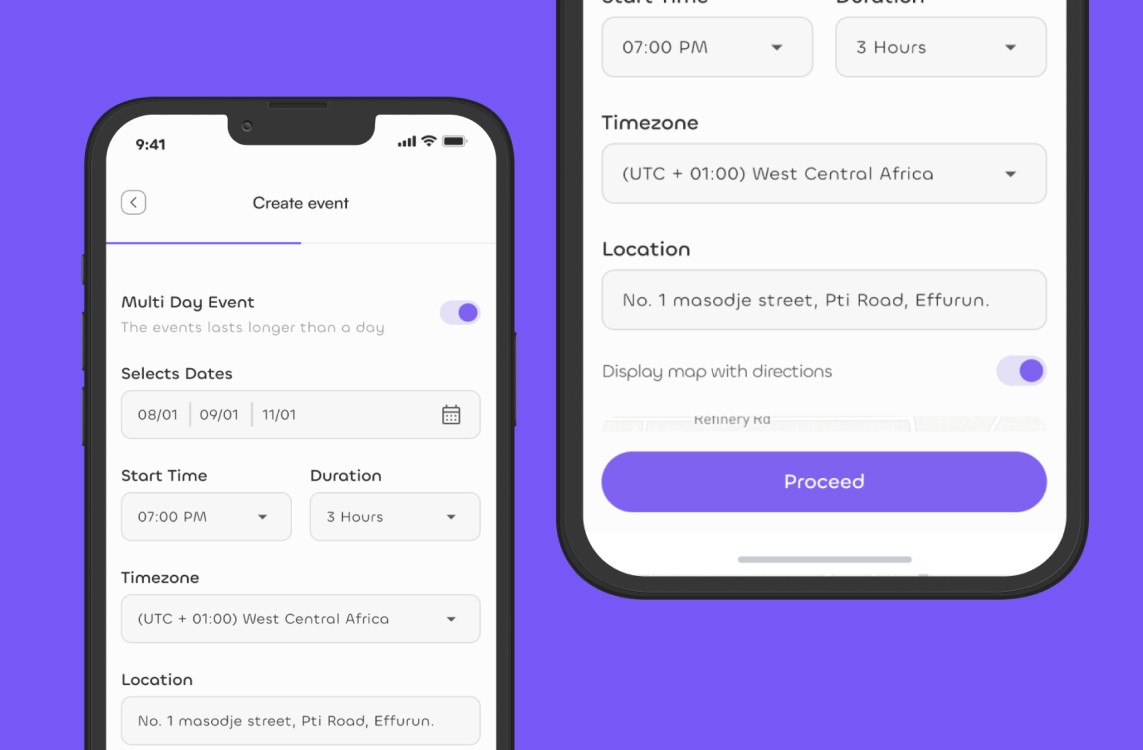
Find parties, conference, plan, & Manage events - all in one app.
Find events create events
GUDU
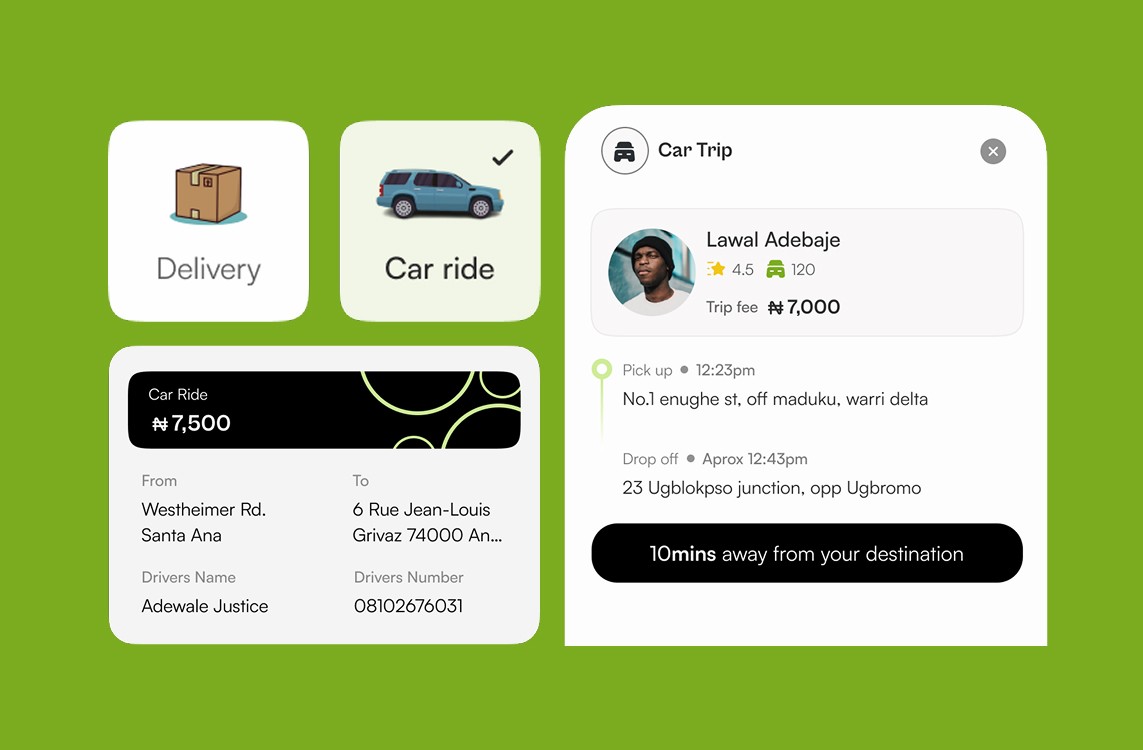
Designing the experience of a package delivery, & ride-hailing app
Send Packages Wherever, whenever